When You Need Philadelphia Lockout Help, Know What to Expect
Locked Out in Philadelphia: The First Step Is Not Panicking
Few things are as frustrating as standing outside your own home or car with the keys sitting on the kitchen counter or tucked inside the driver's seat. When you need Philadelphia lockout help, the first thing to do is stay calm. A clear head helps you avoid costly mistakes, like trying to force open a door or window. I have seen people damage their own property in the first five minutes of panic, turning a simple lockout into a repair job that could have been avoided.
Philadelphia is a big city with older buildings, newer developments, and everything in between. The locks on a rowhome in South Philly are not the same as those on a high-rise condo in Center City. That is why local expertise matters. A locksmith who knows the city can arrive with the right tools for your specific door and lock type. They will not waste time trying a method that works on a modern deadbolt when you have a vintage rim lock from the 1920s.
What Philadelphia Lockout Help Really Covers
When you call for Philadelphia lockout help, the service goes beyond just getting you back inside. A professional locksmith will assess the situation, check the condition of your lock, and advise you on next steps. Sometimes the lock itself is fine and a simple manipulation does the trick. Other times, the lock has been damaged by a previous break-in attempt or by years of wear. In those cases, lock repair or replacement becomes part of the conversation.
I have been on calls where a homeowner thought they just needed the door opened, but the deadbolt was so corroded that opening it safely meant replacing it on the spot. That is the kind of real-world judgment a skilled technician brings. You pay for the expertise, not just the turn of a key.
Residential Lockouts
Residential lockout calls make up a big part of emergency response work. People lock themselves out of apartments, houses, and even garden sheds. The most common scenario is the classic one: keys left inside, door slammed shut. But I have also seen cases where someone lost their keys on a run, had them stolen, or simply forgot which pocket they were in. A good locksmith will handle these without damaging the door or frame. They use specialized tools like tension wrenches and picks, or they may use bypass techniques that work on certain latch types. If the lock is old or compromised, the technician will recommend lock rekeying instead of just handing you a new key. Rekeying changes the internal pins so your old key no longer works, and it costs less than replacing the whole lock.
Commercial Lockouts
Commercial lockout situations are more complex. A business owner locked out of their shop at 7 AM on a Monday cannot afford to wait around. The locks on commercial doors are usually higher grade, and some are tied into alarm systems or access control. A locksmith with local expertise will know which commercial buildings in Philadelphia use specific brands or master key systems. They can quickly get you back in without setting off alarms or damaging expensive hardware. I have worked with property managers who needed access to a storage unit after a tenant lost the only key. In those cases, key duplication might be enough, but often the best move is to install a new lock and rekey the entire system to maintain security.
Automotive Lockouts
Automotive lockout calls require a different skill set. Car locks are not like house locks. They are smaller, more delicate, and vary widely by make and model. A professional emergency locksmith will have tools designed for vehicle locks, and they will know how to avoid scratching your paint or damaging the window seal. Car key replacement is also a common need. If you lost your only car key, the locksmith can program a new one on the spot for many modern vehicles, though some require a trip to the dealership. That is something a technician will explain upfront, so you are not surprised by the process.
Transparent Pricing: What You Should Hear on the Phone
One of the most important things to look for in a locksmith is transparent pricing. You should get a clear estimate before anyone shows up. That means the technician tells you the service fee, the cost of any parts (like a new lock or key), and whether there are after-hours charges. I always tell people: if a locksmith refuses to give a price over the phone, call someone else. There are operators who quote one number and then charge double when they arrive. A reputable company will be straight with you from the start. They understand that being locked out is already stressful, and the last thing you need is a surprise bill.
Philadelphia lockout help should include an honest conversation about options. If your lock is old and worn, the technician might suggest upgrading to a high-security lock or a keyless entry system. Keyless entry is becoming more popular in Philadelphia, especially for people who rent out properties or who just want the convenience of a code instead of a physical key. Smart lock installation is another option that some homeowners are choosing. It allows you to lock and unlock your door from your phone, and you can give temporary codes to guests or service workers. That kind of upgrade is not for everyone, but it is worth discussing if you are already paying for a service call.
Avoiding Lock Bumping and Lock Picking Risks
Not all lockouts are caused by lost keys. Sometimes a lock fails because of wear or because someone tried to break in. Lock bumping and lock picking are techniques that burglars use, but they are also methods a locksmith might use to open a door. A professional will only use these techniques with your permission and only when less invasive methods do not work. If you live in an area where break-ins are common, a locksmith can recommend locks that resist bumping and picking. High-security locks have features like anti-bump pins and reinforced strike plates. Deadbolt installation is another solid upgrade. A deadbolt adds a second locking point that makes it much harder to force the door open.
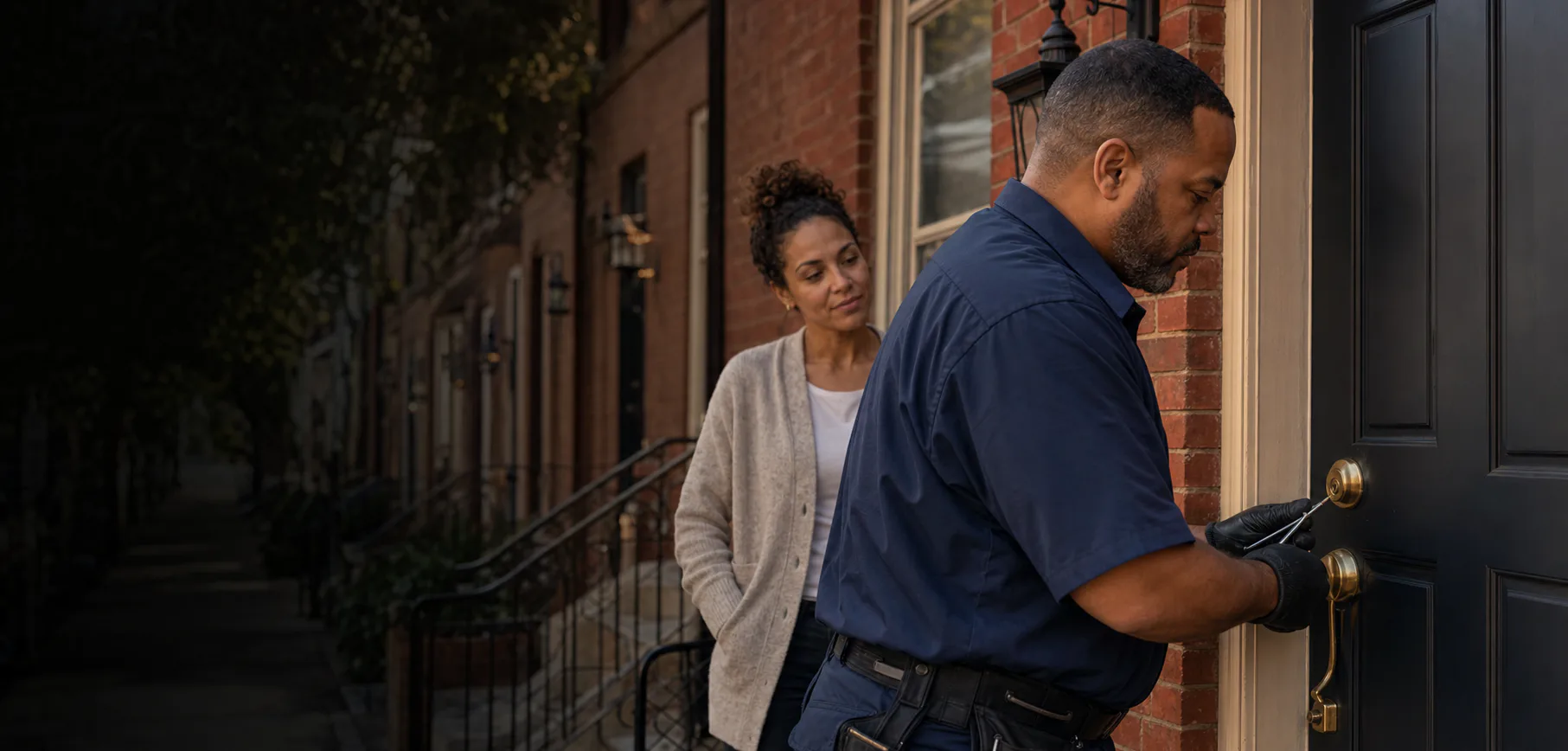
I once helped a couple who had been locked out of their apartment twice in one month. The first time, the lock was just sticky. The second time, the internal mechanism had failed completely. They decided to replace the old lock with a new deadbolt and have the other locks rekeyed to match. It cost them a bit more upfront, but they have not had a problem since. That is the kind of practical advice a good locksmith offers on the spot.
Safe Opening and Other Uncommon Needs
Sometimes people call for safe opening. It is not as common as residential or automotive lockouts, but it happens. Maybe you inherited a safe and lost the combination, or the electronic keypad stopped working. Safe opening requires special training and tools. Not every locksmith does it, so ask when you call. The same goes for master key systems. If you manage a building with multiple units, a master key system lets you open any door with one key while each tenant has a key that opens only their own unit. That is a smart setup for landlords, but it has to be installed correctly by someone who understands the pinning and the security trade-offs.
What to Do While You Wait
While you wait for help, there are a few things you can do. Check all other doors and windows. Sometimes one is unlocked. If you are at a commercial property, check the back entrance or a side door. If you have a spare key with a neighbor or in a lockbox, that is the time to use it. Do not try to break a window or pry open a door. That will cost more to fix than the locksmith's fee. And do not stick a credit card in the latch if you are not sure it will work. That can damage the door frame or get the card stuck.
If you are locked out of your car, check if any window is slightly open. Some cars can be opened with a simple wedge and rod tool, but do not attempt it yourself if you are not trained. You could damage the weather seal or the window mechanism.
Choosing the Right Locksmith for Philadelphia Lockout Help
When you search for Philadelphia lockout help, look for a company that has been serving the area for years. Local expertise means the technician knows the neighborhoods, the common lock types, and the fastest routes to get to you. A 24/7 emergency locksmith should answer the phone at any hour. I have taken calls at 3 AM from people who left their keys at a bar and could not get into their apartment. The right response is quick, professional, and calm.
Ask about their experience with your specific situation. Do they handle automotive lockouts regularly? Can they do lock rekeying on site? Do they offer smart lock installation or keyless entry? A locksmith who carries a range of parts in their van can solve most problems in one visit. That saves you time and money.
Finally, trust your instincts. If a company sounds pushy or vague on the phone, move on. The best service is straightforward, honest, and focused on getting you back in safely. That is what Philadelphia lockout help should be.
Corrections
Spot something wrong? Send it to the desk and it gets fixed in the open.